Grant Proposal Components: 10 Essential Parts to Include
Every funder asks for the same core pieces, even when their applications look nothing alike. This guide breaks down the 10 essential grant proposal components, what each one has to accomplish, and a free template you can build from.
TOPIC
Grant Writing
AUDIENCE
Grant Writing
Grant Writing Skills
Grant Development
Nonprofit Fundraising
Grants For Nonprofit
Key Takeaways
A complete grant proposal has 10 core components: executive summary, statement of need, project description, goals and objectives, budget and budget narrative, evaluation plan, organizational background, sustainability plan, partnerships and collaborations, and appendices.
Most funders reduce these to five essentials: executive summary, statement of need, project description, budget, and organizational background. Everything else expands on one of those five.
Write the executive summary last, even though it sits first. It has to reflect the proposal you actually wrote.
Every budget line should map to an activity in your project description. A cost the narrative never explains is the fastest way to lose a reviewer's trust.
The pieces that delay submission are the ones other people control: letters of support, a partner's sign-off, a determination letter. Request them the day you decide to apply.
Open two grant applications side by side and they can look like they came from different planets. One is a fillable portal with character counts on every field. The other is a 15-page narrative with an appendix as thick as the proposal itself. But underneath the formatting, funders are almost always asking for the same handful of things: who you are, what you want to do, why it matters, how you'll pull it off, and what it costs.
By the time you're staring at a new application, you've almost certainly written a statement of need and wrestled a budget into shape before. What makes each grant its own puzzle is the funder: how they think, how much room they give you, and what they'll take as proof. A platform like Instrumentl helps you get to know each funder before drafting starts, with their priorities, past grantees, and award sizes in one profile.
This guide walks through the 10 components that show up in nearly every proposal what each one needs to do, and a helpful proposal checklist. Here's what you'll walk away with:
The 10 essential grant proposal components, in the order most funders expect them, plus the optional pieces that strengthen an application.
What funders actually look for in each section, and the common misstep to avoid in each.
A realistic timeline for drafting each component, plus a checklist and a free template to build from.
Grant Proposal Components at a Glance
Before we go deep, here's the full picture. Most funder applications are some arrangement of these parts, whether they're labeled this way or not.
Component
What it does
Typical length
Executive summary
Sells the whole proposal in one page
1 page (or a short project summary field)
Statement of need
Proves the problem is real and urgent
1–2 pages
Project description
Explains what you'll do and how
2–4 pages
Goals and objectives
Defines what success looks like
Half a page to 1 page
Budget and budget narrative
Shows what it costs and why
1–2 pages plus a spreadsheet
Evaluation plan
Describes how you'll measure results
1 page
Organizational background
Establishes you can deliver
Half a page to 1 page
Sustainability plan
Shows the work outlasts the grant
Half a page to 1 page
Partnerships and collaborations
Names who's in it with you
A few sentences to half a page
Appendices and supporting documents
Backs up your claims
Varies
Always read the funder's guidelines first. When their instructions contradict this list, follow their instructions. The order and naming below is the common default, not a rule that overrides what a specific funder asks for.
Every one of these components is easier to write when the grant is a genuine fit, so before you start drafting, make sure the opportunity is worth your time. That means more than meeting the eligibility rules: the funder’s priorities, typical award size, and past grantees should line up with your work too. Instrumentl matches your organization with relevant grants and funders, so each proposal you start is one that belongs in your pipeline.
How Grant Proposals Are Typically Structured
Most proposals move from the big picture to the fine detail. You open with a summary that gives a reviewer the whole story fast, then build the case section by section, including:
The need
Your plan
Your goals
The money
The proof that you can be trusted
That arc exists because of how proposals get read. A reviewer may be scoring dozens of applications in a sitting. The introduction and executive summary decide whether they read the rest closely or skim. The later sections, like the evaluation plan and appendices, get scrutinized when they're deciding between finalists. Put your strongest material where the skimming happens: the summary and the first paragraph of each section.
The 10 Essential Components of a Grant Proposal
These are the parts that show up in nearly every application. Even when a funder doesn't ask for one by name, the information usually has to live somewhere.
1. Executive Summary
The executive summary is a one-page version of your entire proposal: the organization, the need, the project, the amount you're requesting, and the outcome you expect. Some portals call it a project summary or abstract and give you a tight character limit. Either way, it's the first thing a reviewer reads and sometimes the only thing a busy board member reads.
What funders look for: a clear, confident snapshot they can repeat to a colleague. Who you are, what you want to do, and what it will change.
2. Statement of Need
The statement of need, sometimes called the problem statement, makes the case that a real, specific problem exists and that your community is affected by it. This is where data is crucial: who is affected, how many, and what happens if nothing changes. A strong needs statement pairs numbers with a human picture of the target population you serve.
What funders look for: evidence. A funder wants to see that you understand the problem precisely, and that your organization is close enough to the target population to be credible.
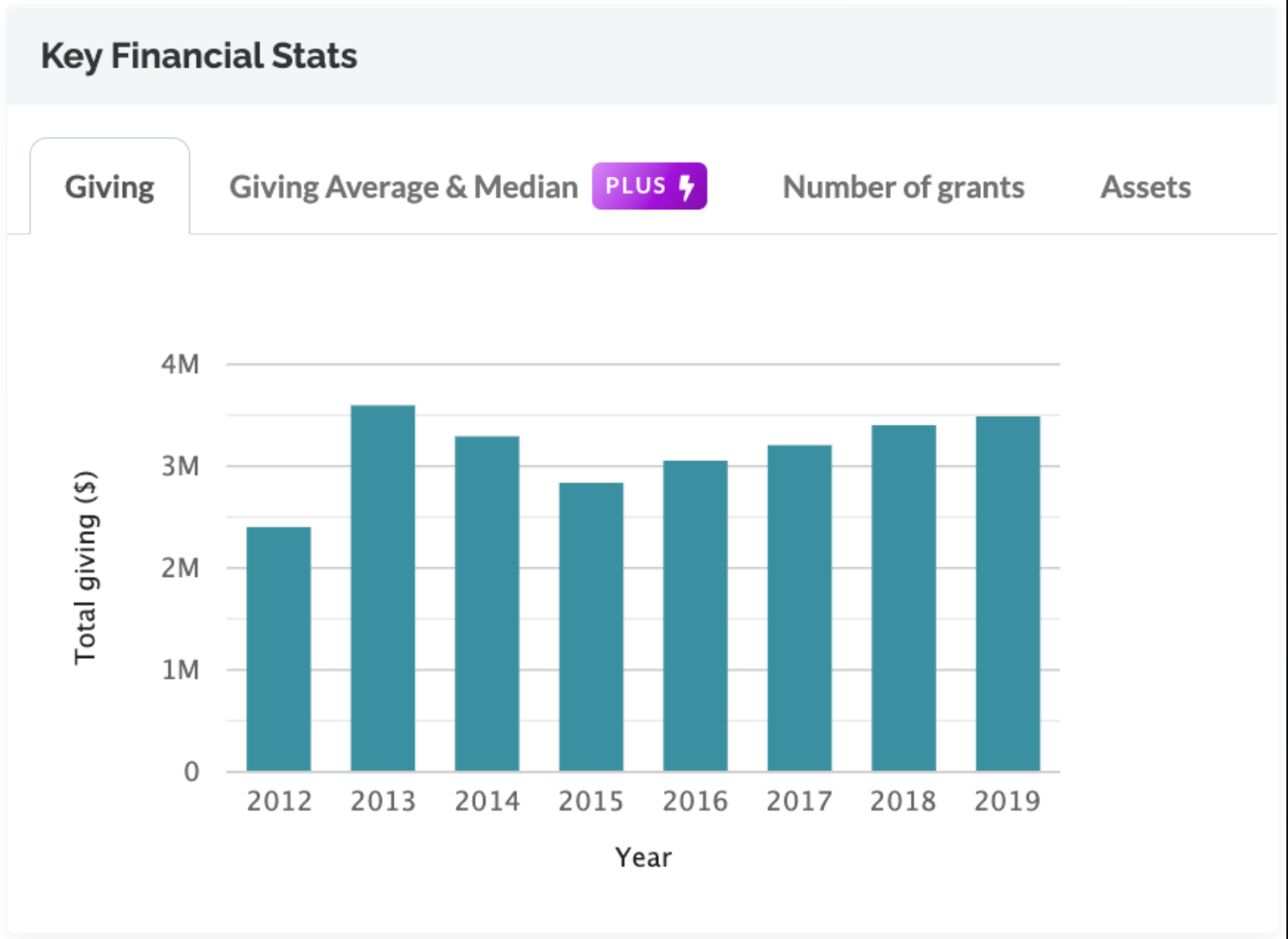
Pro Tip: Before you write the need, look at what this funder has actually funded. With Instrumentl, you can see a funder's giving history from their 990s: which causes, which communities, what size awards. Then you can frame your need in terms they already prioritize.
3. Project Description
The project description, or project narrative, is the heart of the proposal. It explains what you'll actually do, who will do it, and how your methodology connects your activities to the change you promised. This is where you describe your approach, your target population, and the specific activities that make up the work.
What funders look for: a plan that's concrete and credible. A reviewer should be able to picture the work happening and believe your team can run it.
4. Goals and Objectives
Goals and objectives translate your project into what success looks like. The goal is the broad change you're after. The objectives are the specific, measurable steps that get you there. Well-written project goals follow the SMART pattern: specific, measurable, achievable, relevant, and time-bound.
What funders look for: a clean line between what you'll do and how you'll know it worked. Objectives should be countable and concrete.
The project budget is the financial version of your project description, and the budget narrative (sometimes called the budget justification) explains the reasoning behind each line. Every number should map to an activity in your plan.
Your budget narrative is also where you address funding sources beyond this grant, including any matching funds you've secured and how the funding request fits your broader project budget.
What funders look for: a proposal budget that's realistic, complete, and clearly tied to the work.
6. Evaluation Plan
The evaluation plan describes how you'll measure whether the project worked. It names your data collection methods, who's responsible for gathering the data, and how you'll report what you find. A good evaluation plan closes the loop your goals and objectives opened.
What funders look for: a credible way to know if their money made a difference. More funders want to see measured change, not just headcounts.
Your organizational background establishes that you can be trusted to deliver. It covers your history, your mission statement, your grant management track record, and the staff and infrastructure behind the work. This is your credibility section.
What funders look for: evidence that your organization can do what it's proposing. This is where including relevant past work can make a difference.
8. Sustainability Plan
The sustainability plan answers the question every funder is asking: what happens when this grant runs out? It describes how the work continues, whether through earned revenue, other funding sources, community ownership, or integration into your core operations.
What funders look for: a realistic path beyond their dollars. Funders rarely want to be the sole, permanent support for a program.
9. Partnerships and Collaborations
If other organizations are involved, this section names them and defines who does what. Strong collaborations show reach and reduce a funder's risk, because the work doesn't rest on your organization alone. This is also where letters of support and formal collaboration agreements are referenced.
Examples of partnerships or collaborations could be:
What funders look for: real partners with defined roles. A collaboration should make the project genuinely stronger.
10. Appendices and Supporting Documents
The appendices hold the supporting documentation that backs up your proposal: your IRS determination letter, audited financials, board list, staff resumes, letters of support, and any charts or research too detailed for the main narrative. Think of the appendix as the evidence file for the claims you made earlier.
For example, a very complex federal grant will likely have lengthy appendices with several auxiliary documents and citations.
Other grant proposals will ask for very specific supporting documents, such as:
What funders look for: exactly what they asked for, in the order they asked for it. Stick to the requirements and you’ll be in good standing.
Optional Components That Strengthen a Proposal
The 10 components above form the backbone of your proposal. While these next pieces aren't always required, including the right one in the right place can give a reviewer one more reason to fund you:
Cover letter: A brief cover letter, often addressed to the program officer at the funding organization, introduces your nonprofit and the funding request in a few warm, direct sentences. Many funders don't require one, but a good cover letter frames the proposal before a reviewer reaches the executive summary.
Letters of support: Letters of support from partners, community leaders, or people served show that the work has backing beyond your own walls. Give your letter-writers a short outline so their letters of support reinforce your case.
Testimonials: A short quote from someone your work has helped can effectively illustrate the impact of your program. Use testimonials only when the funder allows narrative color. Some funders have more stringent requirements than others.
Evidence add-ons: For research-driven or pilot projects, funders may welcome pilot results, supplementary research, or a brief risk assessment. Reporting even small achievements can give the funders a snapshot of where the program is headed and encourage them to continue funding it.
A Grant Proposal Timeline: How Long Each Component Takes
The pieces that hold up proposals are usually the ones that depend on other people: a partner's letter, a board chair's signature, an audit that isn't final yet.
Here's a realistic timeline for a standard proposal, working backward from the deadline.
When
Focus
Components
4+ weeks out
Read the guidelines, confirm fit, request letters
Funder's guidelines review, letters of support outreach, supporting documents gathering
3 weeks out
Draft the core narrative
Statement of need, project description, goals and objectives
2 weeks out
Build the numbers and the plan
Project budget, budget narrative, evaluation plan, work plan
1 week out
Assemble and align
Executive summary, cover letter, appendices
Final days
Review against the guidelines and submit
Full proposal check, formatting, submission
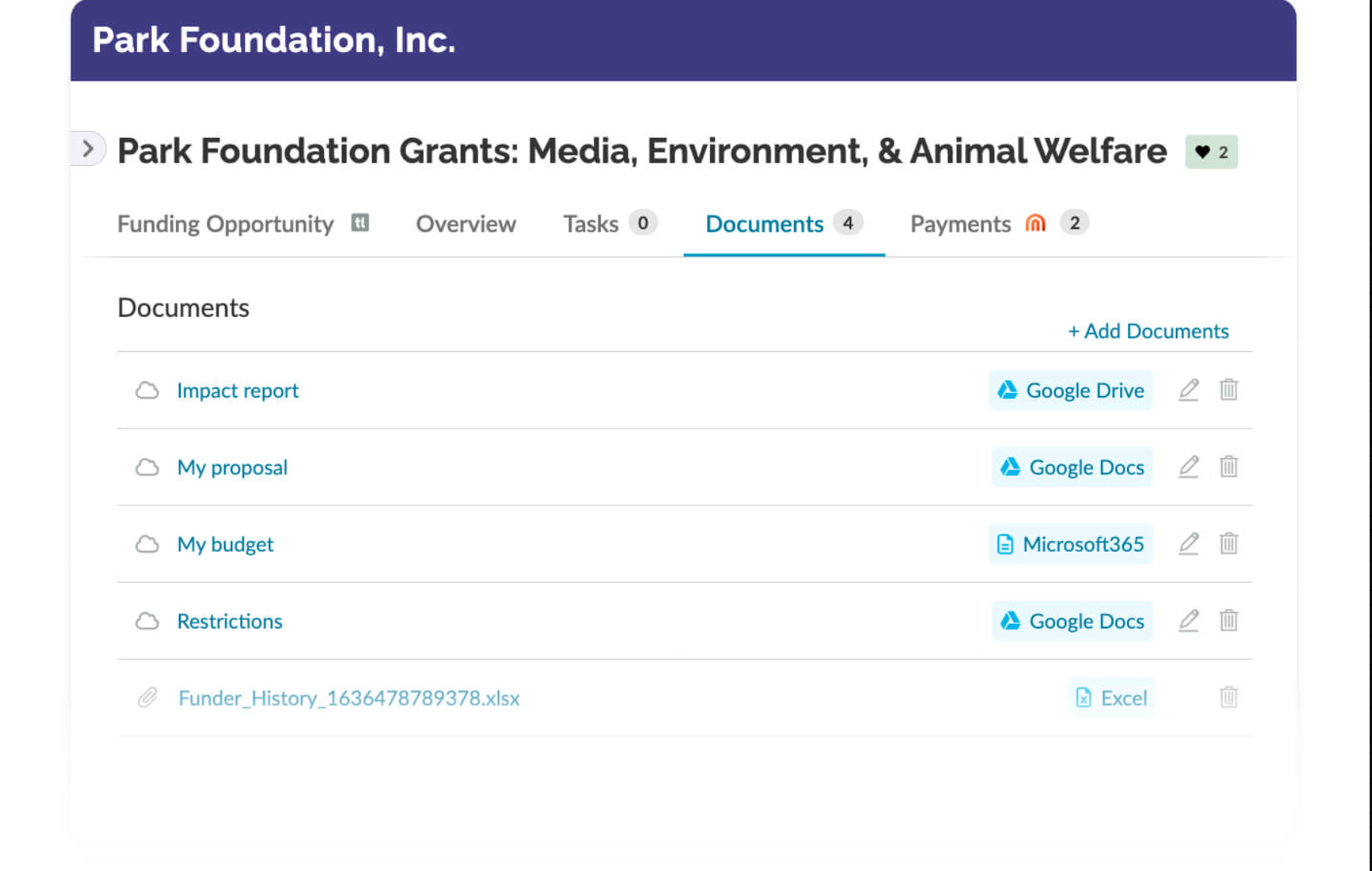
The easiest way to keep those moving pieces on schedule is to track them in one place. Instrumentl’s grant tracker keeps every opportunity, deadline, and requirement together, with automatic reminders and tasks you can assign to your program, finance, and leadership teams, so a missing letter or signature doesn’t surface the week of the deadline.
Before you submit, run the proposal against the parts every strong application shares:
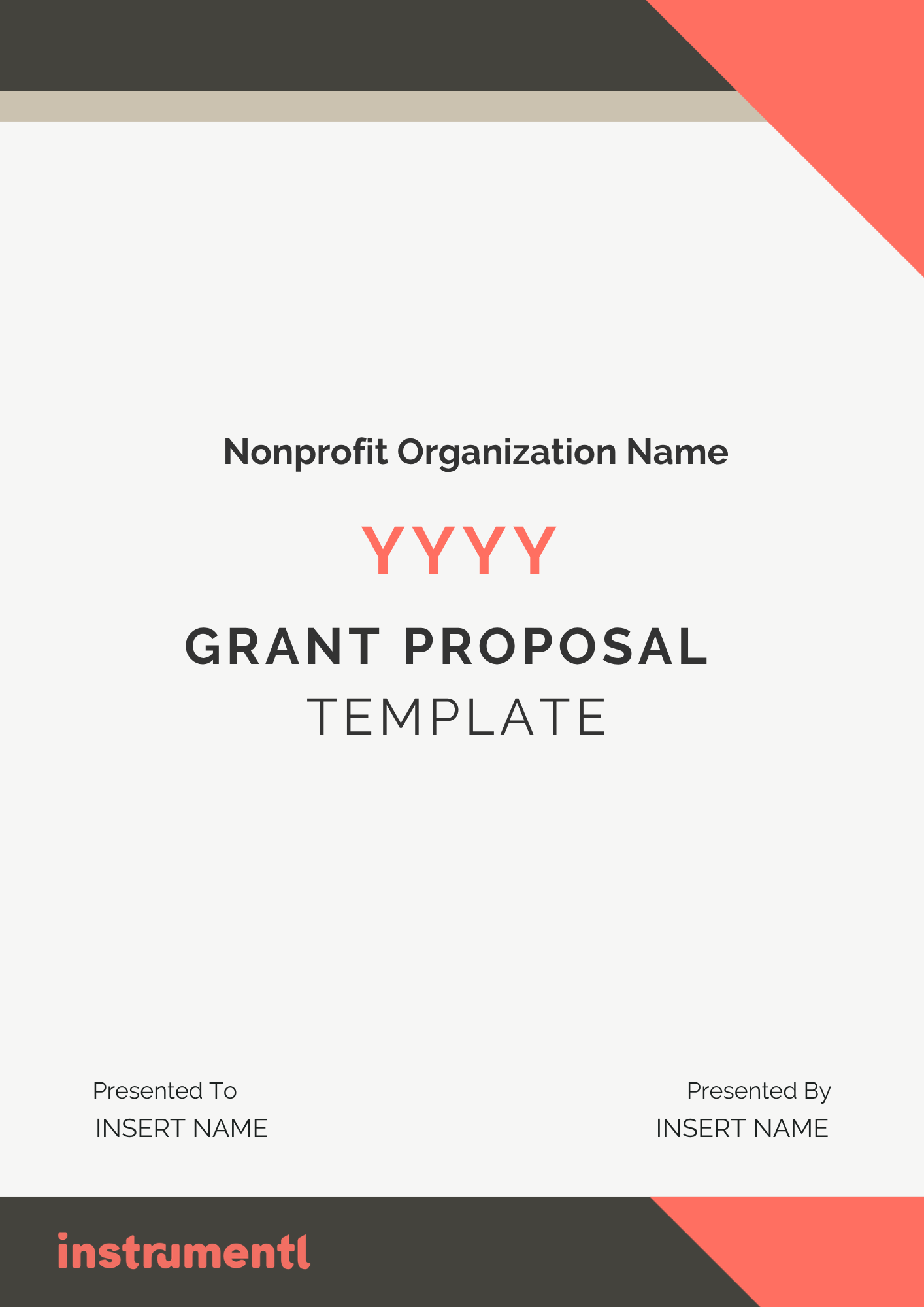
Our free Grant Proposal Template lays out each component with prompts, so you're filling in a proven frame instead of formatting from scratch.
Frequently Asked Questions
What Are the 5 Main Parts of a Proposal?
Most funders boil a proposal down to five essentials:
The executive summary
The statement of need
The project description
The budget
The organizational background
Everything else, from the evaluation plan to the appendices, expands on one of those five. If you have those parts clear and aligned, you have a complete proposal.
What Are the 5 R's of Grant Writing?
The 5 R's are a memory aid for what makes a proposal competitive: the right funder (fit), the right need (a real problem), the right request (a well-sized ask), the right results (measurable outcomes), and the right relationship (a genuine connection to the funder).
What Are the 7 Main Components of a Research Proposal?
A research proposal usually includes seven parts:
The introduction
The problem statement
A literature review
The methodology
The timeline
The budget
Expected outcomes
It's a close cousin of a grant proposal, with heavier weight on methodology and data collection methods because the funder is evaluating the rigor of the study itself.