Ever wonder how nonprofits receive grants? This post explores how common grant funding is among nonprofits, what the different types of grant funders are for nonprofits, and how nonprofits receive grants.

TOPIC
AUDIENCE
If you’ve ever wondered, "How do nonprofits receive grants?" you're not alone.
The process to winning grant funding may seem complex, but with a clear understanding of the key steps involved and the right strategies in place, securing a grant for your nonprofit can become a realistic goal.
In this guide, we will demystify the grant acquisition process, providing valuable insights and actionable steps to help your organization succeed.
We will explain:
Let’s dive in!

In a nutshell, nonprofit grants are monetary funds awarded to nonprofit organizations by government agencies, corporations, foundations, or individuals.
This funding is typically provided to support a particular project or program—though not always (we’ll discuss the different use cases for grant funding a little later in the article).
Here’s what to know about grants:
Keep in mind that the grant proposal process can be time-consuming and requires patience and perseverance. However, the benefits of securing a grant make it worth the effort.
While donations and sponsorships continue to play a significant role in your fundraising efforts, they may not always be enough to sustain your operations and growth.
This is where grants provide a much-needed boost to fund special projects or initiatives.
Here’s why grants are important:
Let's delve deeper into the different types of grants available. Understanding each of these types will empower your nonprofit to target the right funding opportunities.
Program or project grants are the most common type of grants that nonprofits apply for. These are designed to fund a specific program or project aligning with the grantor's mission and objectives.
For instance, an environmental nonprofit might receive a program grant to fund a tree-planting initiative in a local community. The stipulations of such a grant might include a detailed plan and timeline for the project and a final report evaluating the project's impact.
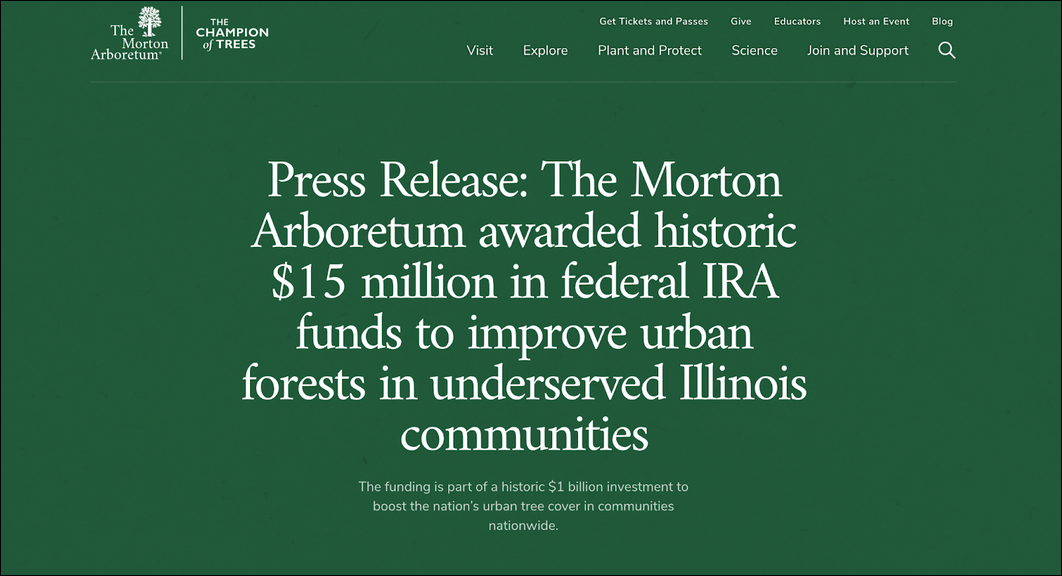
A real-life example of a project grant came to the Morton Arboretum. They received $15 million in federal funding from the IRA to expand urban forests in underserved communities.
General operating grants are not tied to a specific program or project. Instead, these grants are intended to support the overall operations of your nonprofit organization. For example, general operating grants could be used for:
These grants are particularly useful for nonprofits as they provide flexibility and help support the organization's operational stability.
Grants for capital funding, also known as capital campaign grants, are intended for long-term projects that involve the acquisition, construction, or renovation of a physical asset like a building or equipment.
These grants are typically larger and spread over a longer time period. They can be critical for nonprofits looking to expand their services or reach.
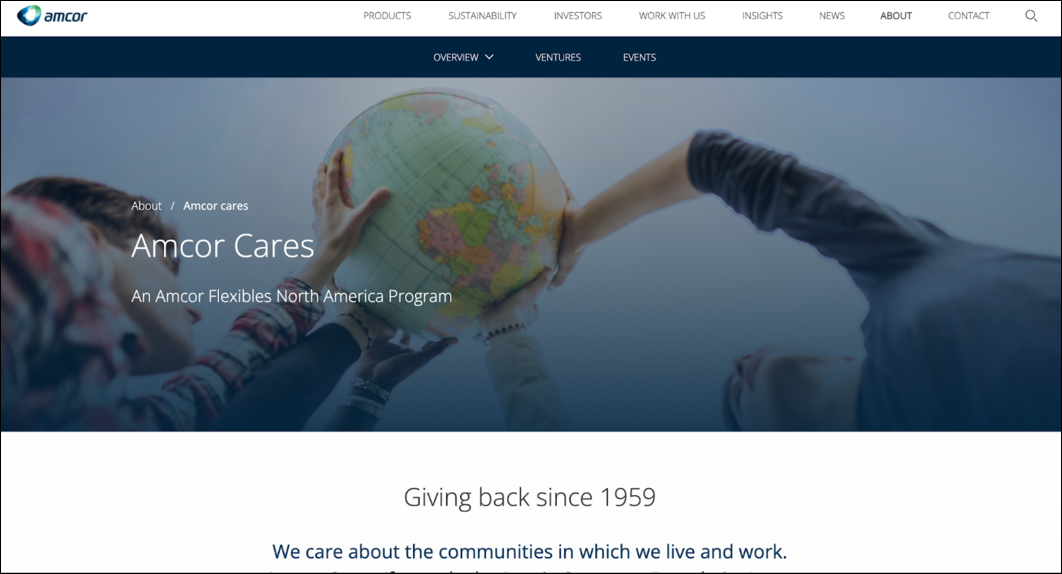
The Amcor Cares grant is a great example of a capital funding grant that looks to support a variety of needs.
In-kind grant contributions involve non-monetary assistance. Instead of cash, organizations may provide goods or services that the nonprofit needs.
This could include:
In-kind contributions can be extremely valuable, helping nonprofits save on resources so that they can direct more funding toward achieving their missions.
How Do Nonprofits Find Grants?
Finding grants can be a daunting task. This section will guide you through how to cut through the noise and identify relevant grants.
Let's look at practical steps to help you navigate the grant prospecting process.

The easiest way to find grants is to search Instrumentl’s comprehensive grants database. You can search for grants by location or focus area, and then you’ll receive a list of potential funding opportunities that include information on:
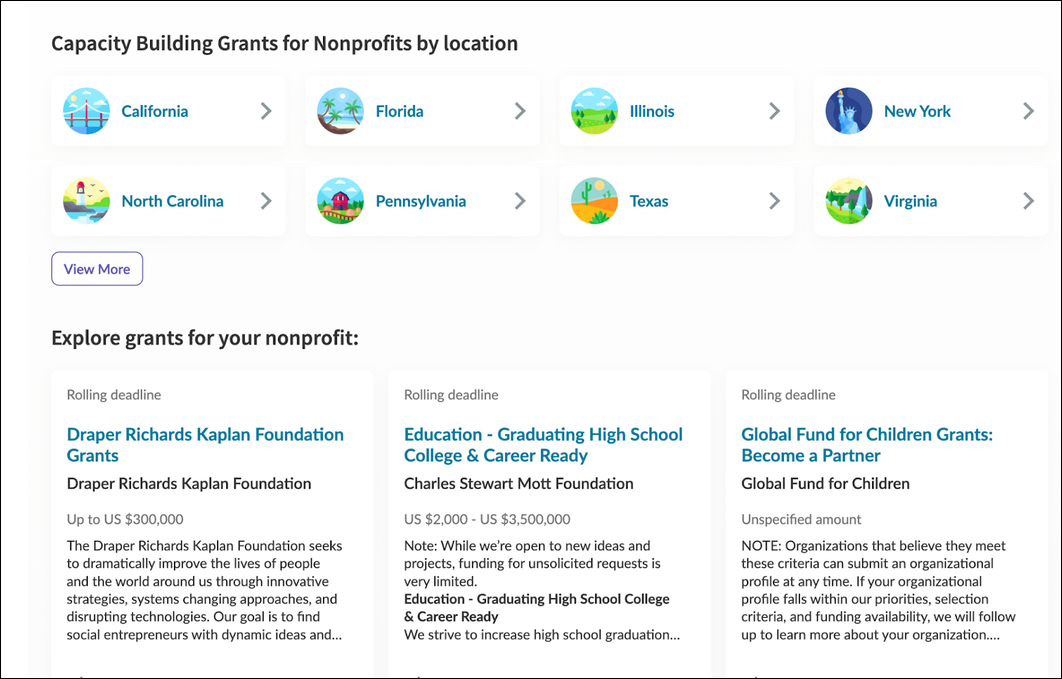
Instrumentl serves as a comprehensive resource for nonprofits, allowing them to quickly identify funding opportunities that align with their mission, goals, and projects.
Nonprofits can easily refine their search using specific filters to pinpoint the most suitable grants.
Local community resources can also be a valuable source of grant information. These resources can include community foundations, local business groups, and nonprofit networks.
These organizations often have insights into local grant opportunities that may not be widely advertised. They can also provide guidance and support throughout the application process.
Corporate partnerships offer another avenue for discovering grant opportunities. Many corporations have social responsibility programs or foundations that provide grants to nonprofits.
Corporations often support causes that align with their business values or local community interests. Nonprofits can engage with these corporations directly by looking grants up on their website or through networking events and business associations.
Government websites are also a reliable source for discovering grant opportunities. Both state and federal governments offer funding opportunities. These grants are typically larger and can fund various projects, from infrastructure development to social services.
Nonprofits can regularly check these websites, sign up for updates, or use search tools to find relevant grants. These websites also provide detailed information about the application process and eligibility requirements.
Who Funds Grants to Nonprofits?
Below are the four primary types of funders that nonprofits can turn to for financial support:

Private family foundations are non-governmental entities typically funded by an individual, a family, or a corporation. These foundations offer grants to nonprofits that align with their philanthropic objectives, reflecting the founder's interests or values.
An example of a private family foundation is the Bill and Melinda Gates Foundation, which offers grants to organizations working toward improving global health, poverty alleviation, and education.
Businesses create corporate foundations as a way of giving back to society. These foundations often offer grants to nonprofits that align with the company's mission, values, or geographical location.
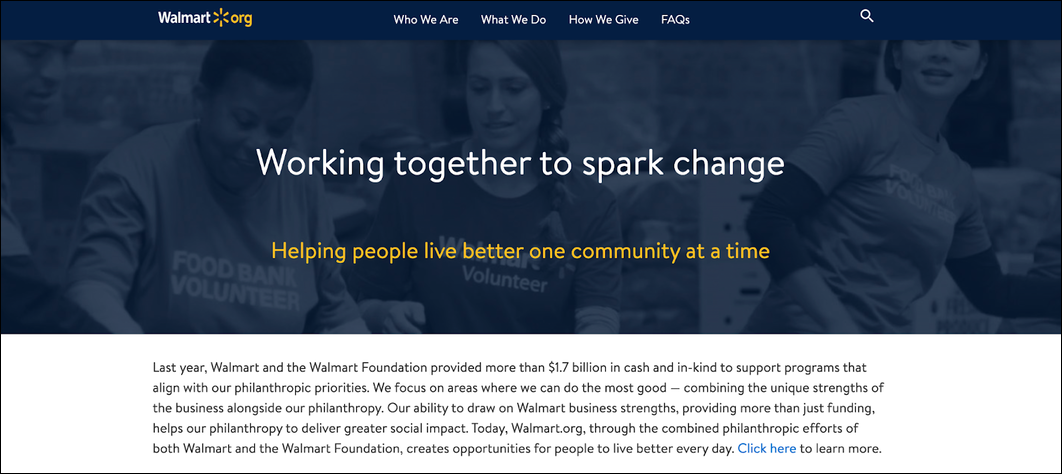
As we mentioned earlier, a well-known corporate foundation is the Walmart Foundation, which supports nonprofits in areas such as hunger relief, education, and economic empowerment.

Public and community foundations provide grant funds to other nonprofits.
They typically raise funds from multiple sources, including individuals, corporations, and other foundations. The primary difference is that community foundations focus on improving a specific geographical area, while public foundations support a wider range of causes.
An example of a public foundation is the Robin Hood Foundation, which fights poverty in New York City, while an example of a community foundation is the Silicon Valley Community Foundation, which supports nonprofits in the San Francisco Bay Area.
Government funding provides a significant portion of nonprofit grant funding.
Federal, state, and local government entities disburse grants for various nonprofit programs and initiatives. Government grants can be a stable funding source, but they require strict reporting and compliance with specific guidelines.
What Are the Most Common Ways Nonprofits Get Funding?
Apart from grants, there are several other avenues that nonprofit organizations can explore to secure funding. This section delves into these alternative sources, enabling nonprofits to diversify their revenue streams and support their missions more effectively.
Philanthropic donations make up a significant portion of nonprofit revenue, with individuals, corporations, and foundations contributing generously.
According to the Giving USA report, in 2020, individual giving accounted for approximately 69% of all charitable donations, demonstrating the essential role of philanthropy in nonprofit funding.
Nonprofits can generate income through membership fees and service charges. This revenue stream comes from people or organizations that directly benefit from the nonprofit's work and wish to support it.
Memberships can provide a steady income source and build a dedicated community around the nonprofit's cause. For instance, a National Center for Charitable Statistics study found that about 59% of public charities' revenue comes from program service fees, including membership dues.
Fundraising events and campaigns are popular methods for nonprofits to raise funds. These can range from charity galas and auctions to fun runs and crowdfunding campaigns.
Nonprofits leverage these events to draw public attention, engage with their community, and generate donations. These events require significant planning and resources, but they can result in a substantial influx of funds if executed successfully.
Corporate partnerships and sponsorships present another substantial funding source for nonprofits. Many corporations have corporate social responsibility programs and allocate a portion of their profits to support nonprofit initiatives that align with their business values or community interests.
According to a study by IEG Sponsorship Report, North American companies spent $22.3 billion on sponsorship, including supporting nonprofit activities, in 2016.
Lastly, nonprofits may also generate revenue by selling goods and services related to their mission. This could include merchandise sales, publication subscriptions, or educational programs and workshop charges.
A survey by The Nonprofit Almanac revealed that 47.5% of nonprofits' total revenue in 2012 came from program and service revenues. This revenue stream can provide stability and flexibility in funding their mission.
How Common Is Grant Funding Among Nonprofits?
In the diverse landscape of nonprofit fundraising, grant funding has steadily emerged as a critical funding source for many organizations.
As competition for traditional funding sources intensifies and the nonprofit sector continues to evolve, grant funding's popularity has surged.
Let's consider the following statistics:
According to the Foundation Center, there were 86,203 grantmaking foundations in 2018. Of these foundations, they contributed $62.8 billion to nonprofits.
What’s the Process for Nonprofits to Receive Grants?
Winning grants for your nonprofit starts with effective grant prospecting.
This section will provide an overview of the grant management process, offering insights into how nonprofits can effectively navigate each step to increase their chances of securing grant funding:
There are many grant readiness assessment tools available, mainly in the form of a checklist that will assess your readiness (in terms of eligibility, program detail, leadership, impact, community relationship, strategic planning, to name a few) to submit grant applications to foundations, corporations, and government bodies.
Key takeaway: Grant readiness is critical to successful grant applications.
Your success in grant funding heavily depends on your ability to find the right match for your nonprofit.
If you are looking for funds to support your programs, make an internal assessment to clarify why your services are so needed in the community for the population you serve and be ready to make your case supported by data and relevant information!
Key takeaway: A clear "why" is compelling to grantmakers.
Every funder has its own set of guidelines and requirements for applications. Some funders are very precise about what they wan, while others are less particular.
Paying attention to these guidelines is key. They will tell you things like:
Make sure you find funders in alignment with your vision and mission because chasing the money will never work!
Key takeaway: Thorough research increases the chances of grant success.
Creating a grant calendar with a clear indication of which grants you want to submit and when throughout the year will assist you in nailing your financial goals!
Key takeaway: Organization and planning are essential in the grant application process.
Many funders, especially private foundations and corporations, will greatly appreciate you giving them a call to verify if you are a good fit for them. Ask as many questions as you need to have it all clear. They are more likely to award grant funding to organizations they have a relationship with.
Pro Tip: Government grants tend to be very complex, so ask questions to the appropriate contact when in doubt.
Key takeaway: Building relationships can increase your chances of receiving a grant.
Finally, the last step is to craft your grant proposal.
Ultimately, you will want to make a case for why your nonprofit deserves funding through a strong statement of need and a detailed program description.
If the funder provides an online application, review it and gather all the information requested before you fill it out. In general, the most important thing is to follow the funder’s specific instructions carefully.
If you’re new to grant writing, you can check out this step-by-step guide. You can also check out successful proposal examples to see what an effective grant proposal looks like.
Once you’ve completed your proposal, all there’s left to do is click submit and keep your fingers crossed!
Key takeaway: A well-crafted proposal is integral to securing grant funding.
Wrapping Things Up: How Do Nonprofits Receive Grants
Finally, we’ve unveiled the mystery behind how nonprofits receive grants.
Grants are a great way to boost your nonprofit’s revenue and secure sustainable funding. Don’t forget to search for grants that align with your organization’s mission, vision, and funding needs.
You can start your grant search today by signing up for a free Instrumentl trial. We will automatically match you with active grant opportunities that meet your criteria.
Nonprofit grants are funds provided by governments, foundations, corporations, or individuals to support the work of nonprofit organizations. These grants are typically awarded to help achieve specific missions or goals outlined by the nonprofit.
Nonprofits generally need to align their mission with the grant’s purpose, demonstrate organizational effectiveness, and fulfill the application requirements of the granting body. This often includes providing financial documents, proof of tax-exempt status, and a detailed project proposal.
Grants are typically provided by government agencies, private foundations, corporate giving programs, and sometimes individual philanthropists. Each of these entities has its own criteria and priorities for issuing grants.
A grant proposal is a formal document nonprofits submit to potential funders, outlining their project’s goals, budget, and impact. A well-crafted proposal is essential for demonstrating the nonprofit’s credibility and securing the grant.
The timeline for receiving grant funding varies widely depending on the grantor’s review process. It can take anywhere from a few weeks to several months after the application is submitted.
Table of contents

